
Like this article?
Go on, give it a kudu!
Published on November 23 2026
Written by:
yourafricansafari.com
30 views
Nairobi National Park is an option for a half-day or full-day safari.
Two or three days are best spent at one main destination.
Four or five days allow you to combine two destinations.
Six days or more give you time to explore different regions of Kenya.
Safari charter flights depart from Wilson Airport, not JKIA.
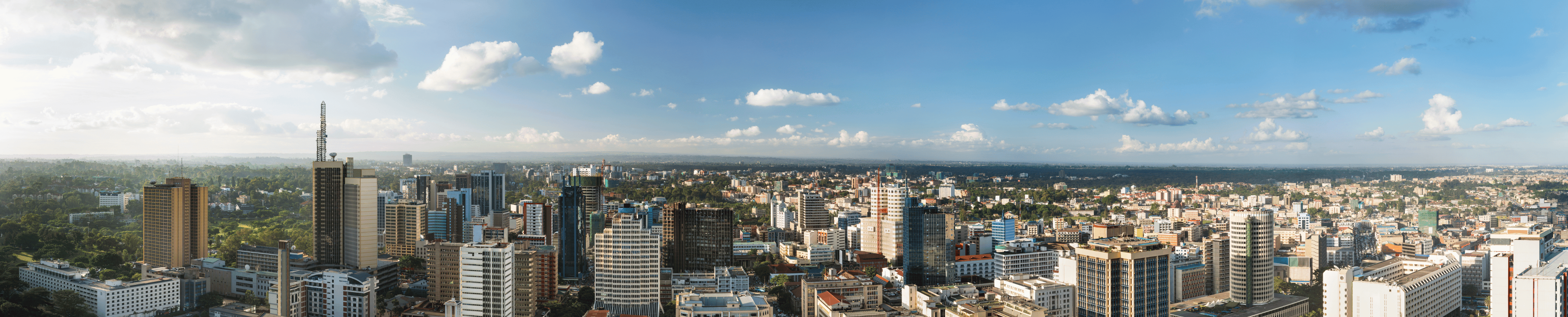
Nairobi is the main starting point for many Kenya safaris. You can explore a national park just outside the city, drive to the Great Rift Valley or fly to destinations such as the Masai Mara and Samburu. Your available time, wildlife interests and preferred way of travelling will determine which route makes sense.
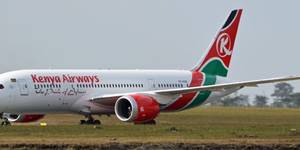
Nairobi is Kenya’s main international gateway and a hub for domestic safari flights. Jomo Kenyatta International Airport (JKIA) handles most international arrivals while Wilson Airport serves many domestic flights and safari charters. This gives you the choice of a game drive in Nairobi National Park, a road safari from the city or a flying safari from Wilson. If you arrive at JKIA and have a charter flight from Wilson, you must first clear immigration, collect your luggage and exit the international airport. You then need a road transfer to Wilson Airport, approximately 17km (11mi) away.
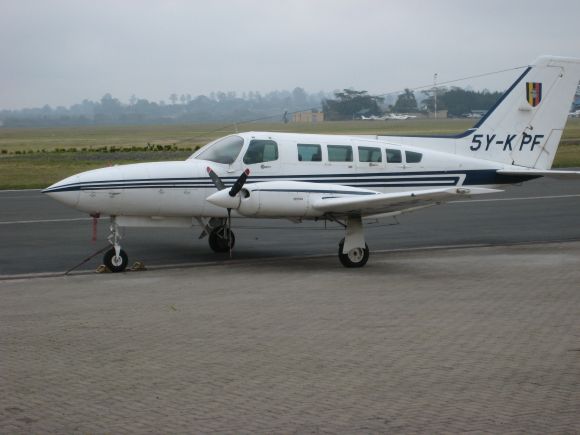
The drive usually takes 30–60 minutes but can take longer in heavy traffic. Your luggage is not transferred automatically, so you must check in again at Wilson. Allow at least four hours between your international arrival and charter departure. Confirm the check-in time with your safari operator. If you arrive late in the day or have an early flight the following morning, staying overnight in Nairobi is the safer option.
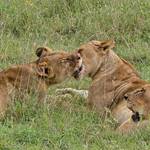
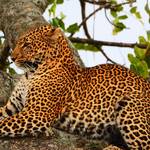
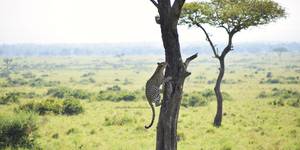
Nairobi National Park is less than 10km (6mi) from the city center. Established in 1946, it was Kenya’s first national park. Its grasslands and woodland are home to lions, leopards, buffalo and both black and white rhinos. You can also see the Nairobi skyline in the background. The park has four of the Big Five but no elephants. A guided game drive usually takes five to nine hours, making it suitable for a spare day before a longer safari or a long stopover in Nairobi. Check the current entry fees with Kenya Wildlife Service before visiting. You can combine your game drive with a visit to the Sheldrick Wildlife Trust Nairobi Nursery, which is inside the park. Its public viewing session runs daily from 11 a.m. to noon. You need to book directly with the Trust and pay the separate park entry fee. Arrive at the park gate by 10:30 a.m. to allow time for entry. The Giraffe Centre in Karen is another option. It is approximately 7–9km (4–6mi) from the nursery, a drive of about 15–20 minutes in good traffic.
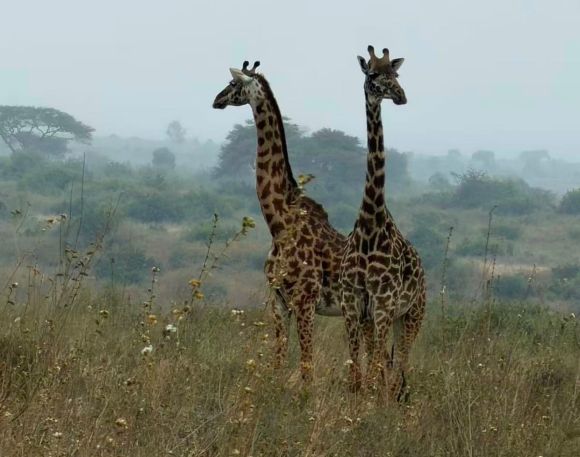
The center opens daily from 9 a.m. to 5 p.m. You can learn about endangered Rothschild’s giraffes and feed them from the raised platform. Allow one to two hours. Fitting all three attractions into one day can be rushed. If you want to visit the nursery, plan your game drive around its fixed viewing time. Add the Giraffe Centre only if your schedule allows enough time for the journey.
Two or three days are best spent exploring one main destination. Splitting this time between several parks can leave you spending more hours travelling than enjoying game drives.
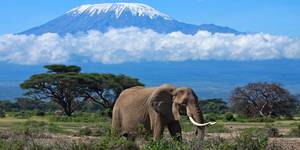
Amboseli National Park lies approximately 215–250km (135–155mi) southeast of Nairobi. The drive takes four to five hours while a flight from Wilson Airport takes about 45 minutes. Amboseli is known for its large elephant herds and views of Mount Kilimanjaro across the Tanzanian border. The mountain is often covered by cloud, but you are more likely to see it clearly early in the day. Allow at least two nights if possible. A one-night trip leaves little time for game drives once you account for the journeys in both directions. Amboseli is particularly suited to elephant enthusiasts and photographers.
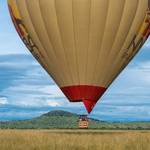
The Masai Mara is approximately 275km (170mi) southwest of Nairobi. Driving takes five to six hours, with the final stretch often slower. A three-day road safari allows roughly two days for game drives. A flight from Wilson takes about an hour and gives you more time in the reserve. The Mara has lions, leopards, cheetahs, elephants and large herds of plains game throughout the year. It is also part of the annual wildebeest migration. Herds usually enter the reserve from Tanzania’s Serengeti between July and October.
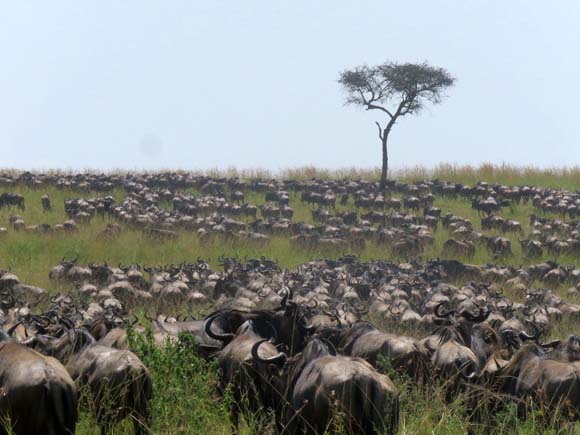
Most river crossings take place between August and October, although timing varies with rainfall and herd movement. No operator can guarantee a crossing on a particular day. You can visit the Mara outside migration season and still enjoy excellent wildlife viewing. If the migration is your priority, allow at least three nights. Private conservancies bordering the reserve offer quieter game drives with fewer vehicles, usually at a higher nightly rate.
The Great Rift Valley lakes offer a different experience from the savannah parks.
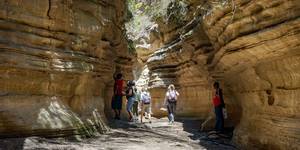
Lake Naivasha is approximately 90km (56mi) northwest of Nairobi, a drive of about two hours. Boat trips give you the chance to see hippos and waterbirds such as pelicans. You can also visit Crescent Island by boat. The crossing takes about 15 minutes. Once on the island, you can walk among giraffes, zebras and antelope. There are no large predators. Nearby Hell’s Gate National Park is known for its cliffs and gorge. You can explore parts of the park on foot or by bicycle and may see zebra, giraffe and buffalo.
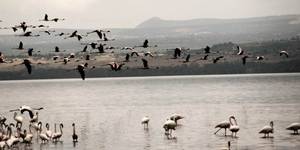
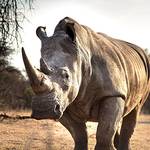
Lake Nakuru National Park is approximately 160km (100mi) from Nairobi. The drive takes three to three and a half hours. The park is known for its black and white rhinos and birdlife. Flamingo numbers vary with the lake’s water levels, so large flocks are not guaranteed. You can visit either lake on a short trip. With more time, combining them gives you a broader experience of the Rift Valley.
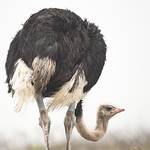
For a safari beyond Kenya’s popular southern circuit, consider Samburu or Laikipia. Samburu National Reserve is approximately 330–350km (205–215mi) north of Nairobi. The drive takes six to eight hours, making a flight more practical for a short stay. Samburu is known for northern species such as Grevy’s zebra, reticulated giraffe, gerenuk, Beisa oryx and Somali ostrich. Ol Pejeta Conservancy in Laikipia is approximately 210km (130mi) from Nairobi. The drive takes three to four hours.
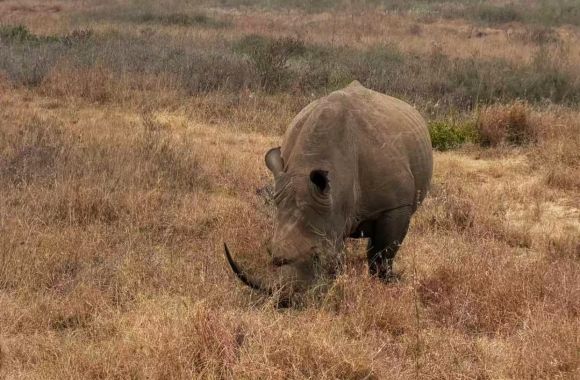
The conservancy is known for its rhino conservation work and the Sweetwaters Chimpanzee Sanctuary. It is a practical road option if you have a few days and want to explore a conservancy.
Four or five days allow you to visit two destinations if you choose a route with manageable transfers. One option is to combine the Masai Mara with Lake Nakuru or Lake Naivasha. Lake Nakuru to the Mara is approximately 245km (150mi), a drive of around five hours. Another option is to combine Ol Pejeta with Samburu. The two destinations are approximately 145km (90mi) apart, with a drive of about three hours. This northern route offers different landscapes and wildlife. Amboseli can also be combined with a stop in the Rift Valley, although some routes require you to travel back through Nairobi. Consider how much time each transfer takes before choosing an itinerary. Long journeys can reduce the time available for game drives.
Six days or more give you time to combine different regions without spending most of your holiday on the road. You could pair the Masai Mara with Lake Nakuru and Lake Naivasha or combine Amboseli with Ol Pejeta. An eight- to ten-day safari could include Samburu, Ol Pejeta, Lake Nakuru and the Masai Mara. The right route depends on the wildlife you want to see and how much driving you are comfortable with. If you are planning around the wildebeest migration, arrange your stay in the Mara first and build the rest of the itinerary around it.
Driving usually costs less and lets you see more of the countryside. It works well when you have several days and are visiting destinations within a manageable distance. Flying costs more but saves hours. It is particularly useful when you have three days or fewer and your destination takes more than four hours to reach by road. Most safari charter flights depart from Wilson Airport. Light aircraft have strict baggage limits. An allowance of 15kg (33lb) per person, including hand luggage, is common on some routes. Soft-sided bags are often required because of limited storage space. Confirm the current allowance with your airline or safari operator before packing.

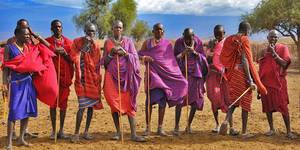
An extra day in Nairobi can be useful after a long-haul flight or before heading home. However, if your safari starts early the next morning, staying near the airport and getting enough rest may be the better choice. If you have time to explore, the Nairobi National Museum offers an introduction to Kenya’s history, culture and natural heritage. You can also visit the Maasai Market for beadwork, textiles and locally made crafts. The market operates at different locations during the week, so check its current venue before setting out. For dinner, Carnivore Restaurant on Lang’ata Road is known for its nyama choma, or roasted meat.
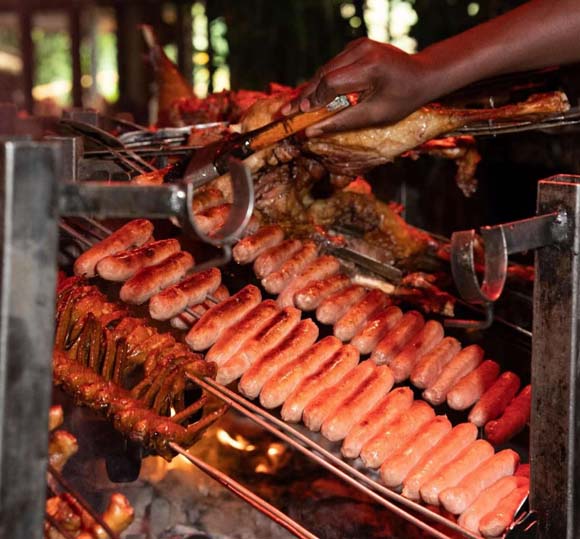
It is also relatively close to Wilson Airport. Uber and Bolt operate widely in Nairobi. Traffic can make short journeys take longer than expected, particularly during morning and evening rush hours. Allow extra time when travelling to the airport or between attractions.
| Time available | Destinations | Transport |
| Half-day to one day | Nairobi National Park, Sheldrick Wildlife Trust and Giraffe Centre |
Drive |
| Two to three days | Amboseli, Masai Mara, Lake Naivasha, Lake Nakuru, Ol Pejeta or Samburu |
Fly or combo |
| Four to five days | Masai Mara and a Rift Valley lake or Ol Pejeta and Samburu |
Fly or combo |
| Six days or more | A wider Kenya circuit | Fly or combo |
Time available Destinations Transport Half-day to one day Nairobi National Park, Sheldrick Wildlife Trust and Giraffe Centre Road Two to three days Amboseli, Masai Mara, Lake Naivasha, Lake Nakuru, Ol Pejeta or Samburu Fly for distant parks; drive for closer destinations Four to five days Masai Mara and a Rift Valley lake or Ol Pejeta and Samburu Road or a combination of road and air Six days or more A wider Kenya safari circuit Road or a combination of road and air
Nairobi National Park is the closest safari destination. It is less than 10km (6mi) from the city center. The drive usually takes 20 to 45 minutes depending on traffic.
Yes, if you plan your transport carefully. Driving takes five to six hours each way, leaving roughly two days for game drives. Flying from Wilson Airport costs more but saves time. If seeing a wildebeest river crossing is your priority, allow at least three nights because crossings cannot be scheduled.
Yes. You can drive to Nairobi National Park, Lake Naivasha, Lake Nakuru, Amboseli and Ol Pejeta. Road trips to the Masai Mara and Samburu are also possible, although the journeys take longer.
Not always. A same-day connection may work if your international flight arrives early enough and you have sufficient time to transfer between airports. If your charter leaves from Wilson, allow at least four hours after landing at JKIA. An overnight stay is safer if you arrive late or have an early departure the next morning.
The right safari depends on how many days you have and what you want to see. Share your travel dates and available time with us, and we can help you compare suitable routes and safari options.
Kenya Wildlife Service: Nairobi National Park and park information.
Sheldrick Wildlife Trust: Nairobi Nursery visits and booking.
Giraffe Centre: Visitor information and opening hours.
Ol Pejeta Conservancy: Conservancy information.
National Museums of Kenya: Nairobi National Museum.
Canva creative license images used for restaurant and market images.

Has been on: 15 safaris
Your African Safari (YAS) is a safari-planning resource for anyone planning an African safari. It features information on over 2600 tour operators including company and vehicle descriptions, user reviews, safari itineraries and photos. It also features detailed information on 14 countries and 84 parks and game reserves.
© Your African Safari Ltd, All rights reserved.
Your African Safari is a safari-planning and safari review site. It was created to help support a healthy African wildlife population. All reviews are vetted before being approved and only ethical tours are published