Like this article?
Go on, give it a kudu!

Published on May 06 2026
Written by:
yourafricansafari.com
976 views
If Tarangire has a heartbeat, it’s measured in footsteps—heavy, deliberate, and unmistakably elephant. This is one of Tanzania’s true strongholds for these giants, a place where the word herd feels almost inadequate. Numbers here don’t just impress—they overwhelm.
Come the dry season (June to October), the landscape tightens around a single lifeline: the Tarangire River. Water shrinks. Dust rises. And from miles in every direction, elephants arrive. Not in twos or tens—but in vast, slow-moving assemblies. It’s not unusual to witness herds of up to 300 individuals gathering along the riverbanks, a living tide of grey, rumbling bodies pressing in toward survival.
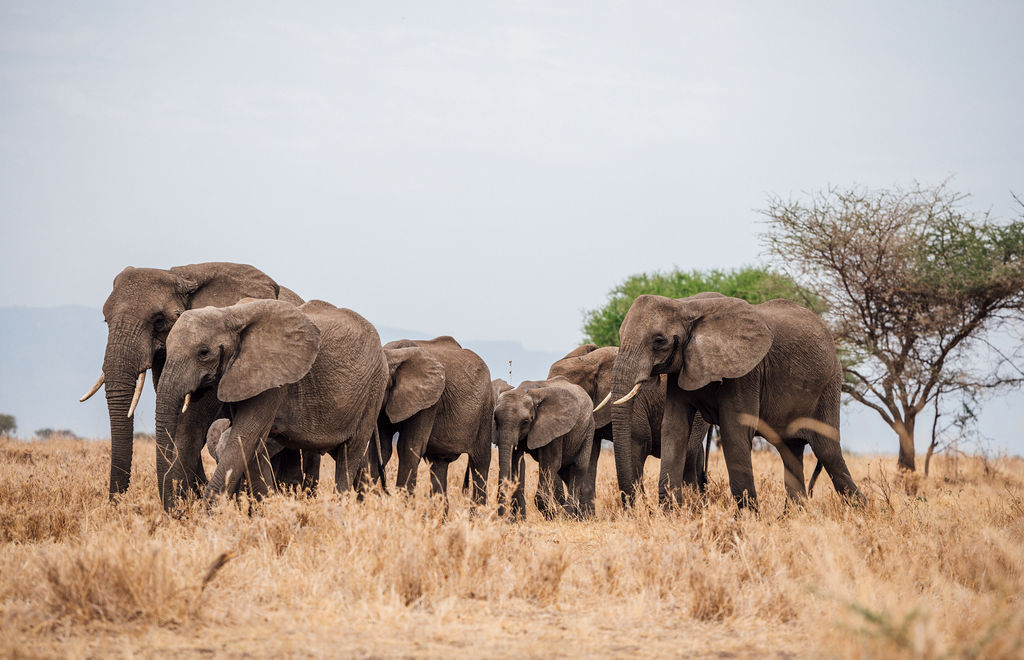
And here’s the part that catches first-time visitors off guard: this isn’t rare. Seeing 100 elephants in a single sweep of your gaze is entirely realistic. Spend a full day tracking the river and surrounding plains, and that number can climb—200, 300, even brushing 500 across multiple sightings. It’s spectacle on a scale that rivals anywhere in Africa.
Yet Tarangire’s magic isn’t just in peak-season drama. Elephants are here year-round. Even when the rains return and wildlife disperses across the wider ecosystem, these herds remain a constant presence. The density shifts, the gatherings thin—but the guarantee doesn’t vanish. There is always a story unfolding, always a matriarch leading, always calves stumbling to keep pace.
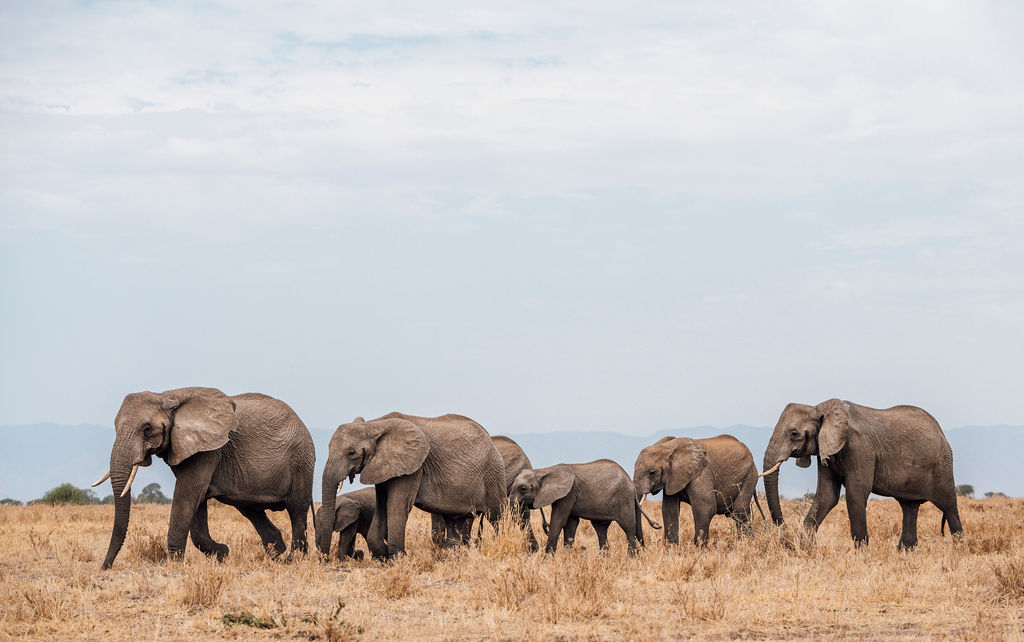
Look closer, and the details sharpen. You’ll see elephants using their tusks with precision—digging into dry riverbeds to reach hidden water beneath the sand. It’s raw intelligence in motion, survival passed down through generations. Around them, smaller animals wait their turn, benefiting from the wells these giants carve out of the earth.
And perhaps the most remarkable part? You can witness all of this without the chaos that defines more famous parks. The scale rivals the great plains of the Serengeti—but the atmosphere is different. Quieter. Less hurried. No long lines of vehicles jostling for position. Just you, the dust, and the low, resonant rumble of elephants moving through their kingdom.
There’s a quiet luxury in Tarangire that has nothing to do with lodges or price tags—it’s space. Real, unclaimed space. The kind that lets a moment unfold without interruption, where the only soundtrack is wind through grass and the low murmur of wildlife going about its day. In contrast, places like the Serengeti National Park and the Ngorongoro Crater can feel, at times, like front-row seats to a very popular show. The wildlife is extraordinary—but so is the competition to see it. Vehicles cluster. Engines idle. That perfect leopard sighting? You might be sharing it with a dozen others, all angling for the same photograph.
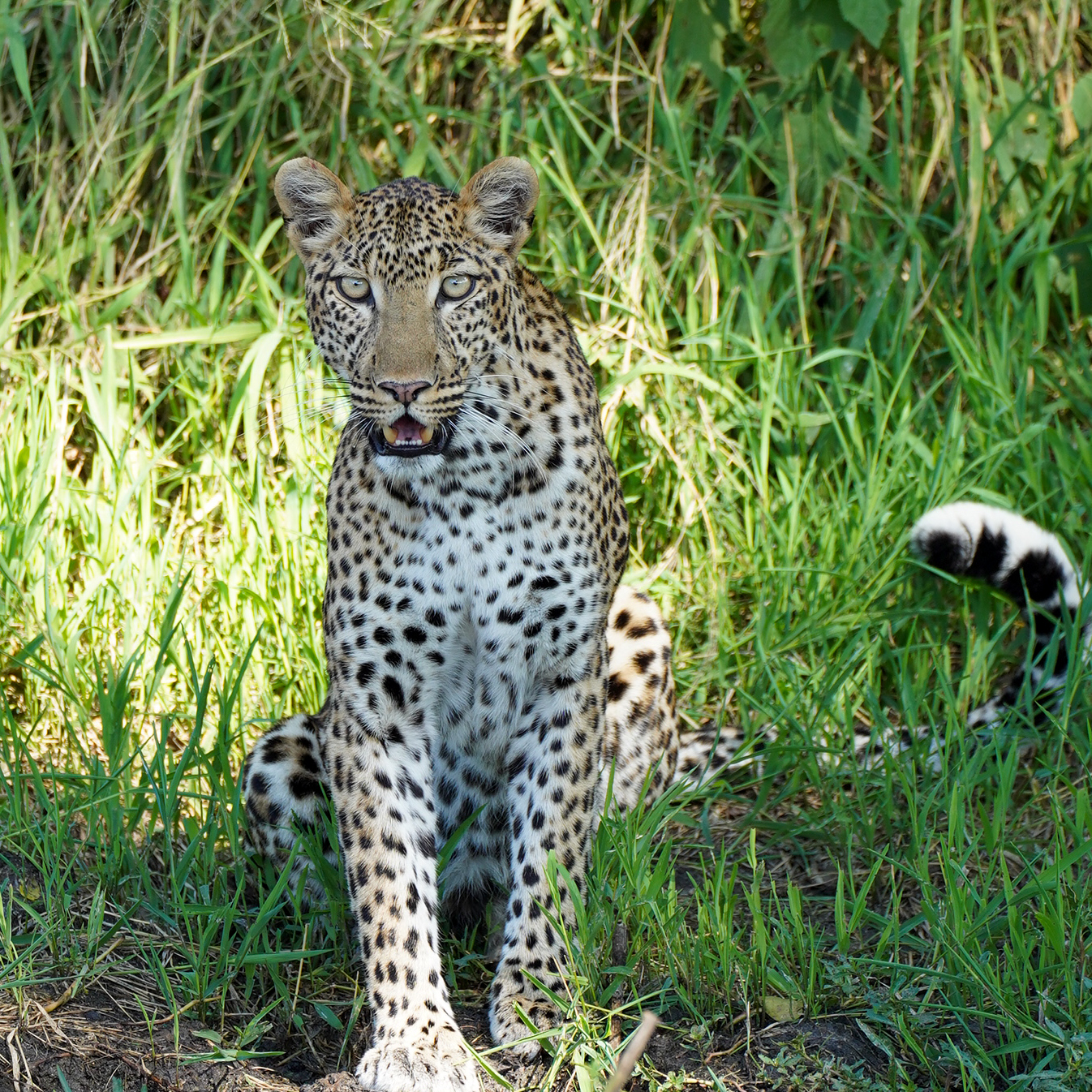
Tarangire moves differently. Especially in its southern reaches, the pace slows to something almost meditative. Here, game drives stretch into long, uninterrupted encounters. You don’t just spot animals—you sit with them. Watch behaviors evolve. Notice the subtleties: a shift in posture, a flick of an ear, a story that takes its time to reveal itself.
But let’s be clear—this isn’t emptiness. Tarangire isn’t some untouched secret where you’ll never see another vehicle. It’s better described as underrated, not empty. There are visitors, especially during peak dry season. The difference is in scale and rhythm. Sightings feel personal, not crowded. Shared, but not crowded out. For certain travelers, this changes everything. Photographers get clean frames without a line of roofs cutting across the horizon. Introverts find room to breathe, to absorb, to exist quietly within the landscape. And seasoned safari-goers—those who’ve done the big names—often find Tarangire the place where it finally clicks. Where the experience feels less like ticking boxes and more like being there. And then there’s the simplest upgrade of all: no traffic jams. No circling for position. No rush to move on because others are waiting. Just you, the guide, and the unfolding moment—exactly as it should be.
There are landscapes you admire—and then there are landscapes that feel like they’ve stepped out of a dream. Tarangire National Park belongs firmly in the second category, and its baobabs are the reason why. They don’t just dot the horizon—they define it. Rising from the earth like monuments, these trees are impossibly thick, their trunks swelling up to 10 meters wide, their branches twisting skyward like roots pulled inside out. It’s why they’re often called “upside-down trees,” though the nickname barely captures their strangeness. They look less like vegetation and more like relics—something ancient, something that has endured.
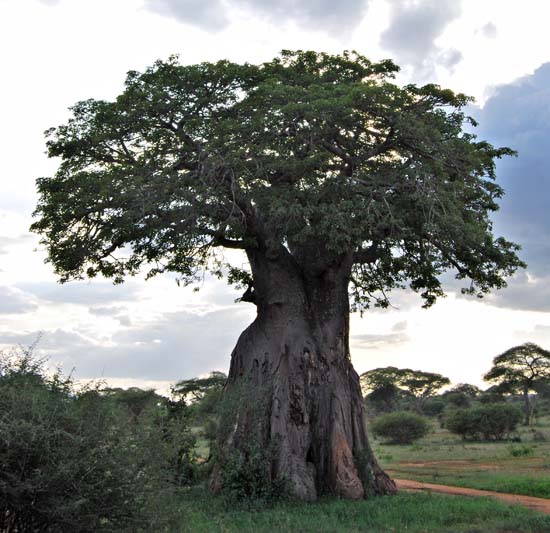
But these giants aren’t just visual spectacle. They are reservoirs of survival. Each baobab can store up to 120,000 liters of water within its fibrous core, quietly sustaining life through the harshest dry months. In a landscape where water dictates everything, these trees become silent anchors—drawing wildlife into their orbit, offering shade, moisture, and relief.
And visually? This is where Tarangire turns cinematic. At sunset, the baobabs transform into silhouettes—dark, sculptural forms against a sky burning in gold and amber. Elephants pass beneath them, casting long shadows. Birds settle into their branches. The entire scene slows, softens, and for a moment, feels almost staged in its perfection.
It’s worth noting: baobabs aren’t exclusive to Tarangire. You’ll find them scattered across parts of Africa. But here, their density changes the experience. They’re not occasional features—they’re a constant presence, shaping the identity of the park in a way few landscapes manage.
And maybe that’s the real pull. Standing among them, there’s a subtle shift in perspective. These trees have outlived generations. They’ve watched seasons cycle, rivers swell and shrink, herds come and go. There’s something grounding—almost mythic—about their presence.
Day 1: Arusha – Tarangire National Park
Day 2: Tarangire National Park
Day 3: Lake Manyara National Park
Day 4: Serengeti National Park
Day 5: Serengeti National Park
Day 6: Serengeti – Ngorongoro Crater
Day 7: Departure
Day 1: Arrival in Arusha
Day 2: Arusha → Tarangire National Park
Day 3: Tarangire National Park
Day 4: Tarangire – Serengeti National Park
Day 5: Serengeti National Park
Day 6: Serengeti → Ngorongoro / Karatu
Day 7: Lake Eyasi – Hadzabe & Datoga Cultural Tour / Arusha or Zanzibar
Day 8: Return to Arusha / Departure
Day 1-2 – Zanzibar to Tarangire’s Gentle Giants
Day 3 – The Ngorongoro Crater Experience & Return to Zanzibar
Day 1: Flight from Zanzibar to Tarangire NP. Evening Game drive plus night game drive
Day 2: Morning game drive, evening flight to Zanzibar
• Tarangire Elephant Spring
• Mbali mbali Tarangire Camp
• Tarangire Tree top Mid-range Lodge
• Boa Bob Tented Camp
• Sangaiwe Tented Camp
• Africa Safari Rift Valley
Greyjoy Safari Adventures was established in 2024 and offers tours to Tanzania and Kenya. Edwin kindly worked with us on this article to help highlight some of the features of this great park.
Ngorongoro Conservation Area
Morning
Elephant
Lake Natron flamingos
Hyena
A cold beer Serengeti or Kilimanjaro lager
Mahale National Park

Has been on: 15 safaris
Your African Safari (YAS) is a safari-planning resource for anyone planning an African safari. It features information on over 2600 tour operators including company and vehicle descriptions, user reviews, safari itineraries and photos. It also features detailed information on 14 countries and 84 parks and game reserves.
© Your African Safari Ltd, All rights reserved.
Your African Safari is a safari-planning and safari review site. It was created to help support a healthy African wildlife population. All reviews are vetted before being approved and only ethical tours are published